Watercolor Floral Clip Art Illustrations for Branding and Marketing
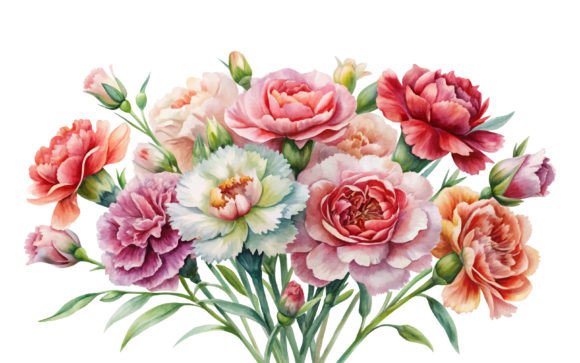
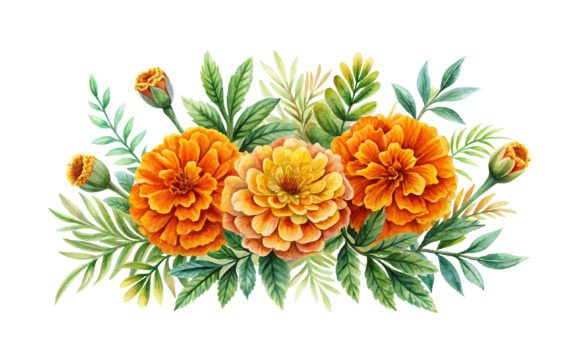
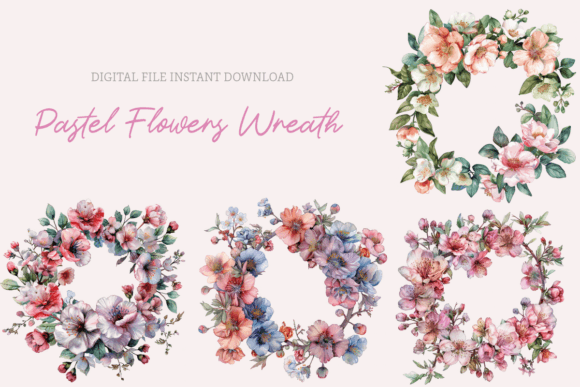
As a brand designer and content marketer, I’ve had the chance to review many graphic design assets over the years. One that stands out is Watercolor Floral Clip Art Illustrations. These illustrations bring a soft, artistic touch that can elevate marketing materials and branding efforts. Let’s dive into how they fit into real-world creative projects.
A First Impression of Watercolor Floral Clip Art Illustrations
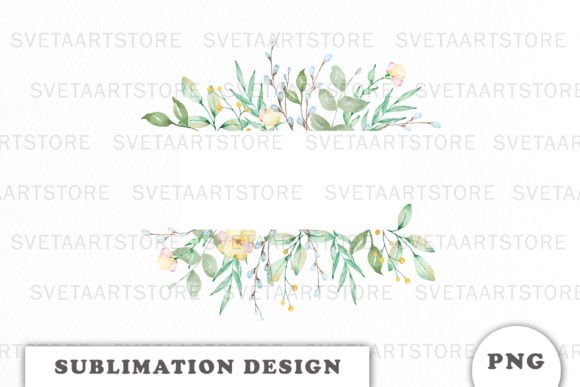
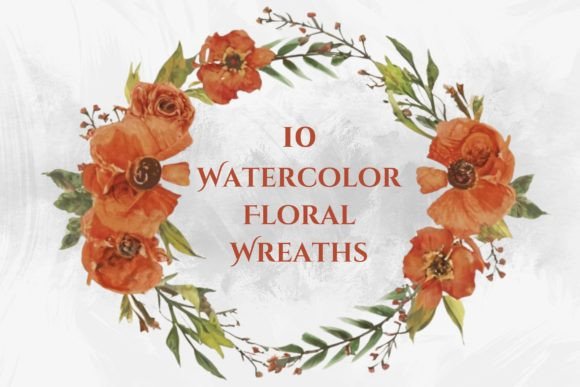
The moment I saw Watercolor Floral Clip Art Illustrations, I was struck by their gentle aesthetic. The delicate strokes and natural hues create a calming mood that feels both inviting and elegant. This emotional tone makes them ideal for brands targeting audiences who appreciate handmade products, lifestyle content, or event promotions. They exude warmth and authenticity, which are perfect for casual branding or premium visuals that still feel approachable.
These illustrations are not just decorative—they help shape audience perception. They signal a connection with nature, creativity, and thoughtful design. That kind of visual storytelling is invaluable in content marketing and brand communication.
How Watercolor Floral Clip Art Illustrations Perform in Real Projects
Let’s imagine a small business launching a new line of organic skincare products. In this scenario, Watercolor Floral Clip Art Illustrations could be used across various marketing channels. From social media graphics to product packaging, these illustrations add a cohesive visual thread that reinforces brand identity.
They work well in brand identity elements like logos, packaging design, and product labels. Their soft textures and floral motifs complement designs that aim to evoke a sense of care and natural beauty. When paired with the right color palette, they can become a key part of a brand’s visual language.
For social media graphics, such as Instagram posts or Pinterest pins, these illustrations provide a visually appealing backdrop without overwhelming the content. They help create a clear visual hierarchy, guiding the viewer’s eye toward important messages or calls to action.
In digital ads, they can subtly reinforce the brand’s message while maintaining professionalism. Whether it’s a Facebook ad promoting a seasonal offer or an email banner for a lead magnet, these illustrations enhance engagement without distracting from the main message.
Supporting Marketing Goals with Watercolor Floral Clip Art Illustrations
Using Watercolor Floral Clip Art Illustrations in your marketing strategy can support multiple goals. For instance, they help create a stronger first impression by adding a unique and memorable visual element. They also contribute to consistent branding across different platforms, ensuring that every piece of content aligns with the brand’s personality.
When designing promotional materials, these illustrations can improve product presentation by making the visuals more engaging. They foster emotional connections with the audience, building trust and recognition over time. And since they’re versatile, they can be adapted for both digital and printable designs, from Canva templates to merchandise and stickers.
Where Watercolor Floral Clip Art Illustrations Work Best
Hero graphics and campaign headers benefit from the elegance of these illustrations. They can serve as a focal point in product launch visuals or branded templates, creating a strong visual impact. On social media covers, they add a personal touch that helps differentiate a brand from competitors.
They’re also great for packaging accents, promotional banners, and editorial layouts. In content bundles or media kits, they can enhance the overall look and feel, reinforcing the brand’s creative identity.
Where to Use Them with Caution
While Watercolor Floral Clip Art Illustrations are versatile, they may not be suitable for all contexts. In formal corporate branding, where minimalism and professionalism are key, these illustrations might feel too whimsical. Similarly, they should be used carefully in dense information layouts or text-heavy ads, where they could compete with the main message.
On small mobile graphics, details may get lost, so it’s important to test how they appear on different screen sizes. Also, avoid using them on low-contrast backgrounds, as this can reduce readability and visual clarity.
Brand Designer Notes and Practical Tips
Before incorporating Watercolor Floral Clip Art Illustrations into a campaign, test them with your brand’s color palette to ensure harmony. Check how they look in black and white to confirm they maintain visual appeal without color. Place them inside real campaign mockups to see how they integrate with other design elements.
Preview them on mobile screens to ensure they remain legible at smaller sizes. Compare them against competitor visuals to ensure they stand out but still align with industry standards. Test how they pair with different fonts—serif, sans serif, script, handwritten, and display—to find the best combination for your brand’s voice.
Review spacing and balance within the design to ensure the illustrations don’t overpower the text or other visual elements. Finally, confirm that you have a commercial license before using them in paid campaigns, client work, or business branding.
Conclusion: A Strong Design Asset for Content Creators
Watercolor Floral Clip Art Illustrations are a valuable addition to any designer’s toolkit. They offer a blend of artistry and practicality, helping content creators and small businesses craft professional yet approachable visuals. Whether you're working on digital product designs, printable design elements, or modern design concepts, these illustrations can support your marketing goals effectively.
With careful planning and testing, they can become a staple in your creative workflow, enhancing brand identity, improving audience trust, and contributing to more memorable campaign visuals. As always, consider the context and purpose before using any graphic design asset, and let your brand’s story guide your choices.